

If you are a healthcare professional looking to elevate your practice, understanding clinical practice insights is essential. These insights are not just abstract knowledge—they are practical, evidence-backed observations that can transform patient care, improve outcomes, and guide your decision-making process in real-world clinical settings.
In this guide, we’ll explore what clinical practice insights are, why they matter, how to gather them, and how to apply them effectively in daily practice.
What Are Clinical Practice Insights?

Clinical practice insights are the valuable observations, lessons, and knowledge gained from direct patient care, clinical research, and everyday healthcare experiences. Unlike theoretical knowledge from textbooks, these insights are grounded in practical experience. They allow healthcare professionals to:
- Understand patterns in patient health and treatment outcomes.
- Identify best practices for managing specific conditions.
- Anticipate complications and improve patient safety.
- Optimize treatment protocols for different healthcare settings.
In short, clinical practice insights bridge the gap between medical theory and real-world practice.
Why Clinical Practice Insights Are Important
1. Enhancing Patient Outcomes
By analyzing patient data and outcomes, clinicians can identify the most effective treatments for specific conditions. This means better recovery rates, fewer complications, and overall improved patient satisfaction.
2. Supporting Evidence-Based Practice
Healthcare is evolving rapidly, and clinicians often face complex decisions. Clinical practice insights provide a foundation for evidence-based practice, ensuring that decisions are guided by real-world data rather than assumptions or outdated protocols.
3. Encouraging Continuous Professional Growth
Healthcare professionals who actively engage with clinical insights remain at the forefront of their fields. Learning from both successes and challenges in patient care fosters professional development and lifelong learning.
4. Efficient Resource Utilization
Insights help healthcare teams identify interventions that provide the most benefit, reducing unnecessary tests, treatments, and costs, while improving overall efficiency in healthcare delivery.
How to Gather Clinical Practice Insights
Collecting actionable clinical insights involves a combination of observation, collaboration, and analysis. Here are some practical methods:
- Patient Records and Data Analysis: Examine medical histories, lab results, and treatment outcomes to identify patterns.
- Peer Collaboration: Discuss complex cases with colleagues and participate in multidisciplinary team meetings.
- Clinical Audits: Regularly review practices and procedures to assess effectiveness and identify areas for improvement.
- Continuing Education: Attend conferences, workshops, and webinars to stay informed about the latest developments.
- Research Integration: Combine findings from clinical trials, journals, and guidelines with your own clinical experiences.
Applying Clinical Practice Insights in Daily Clinical Practice
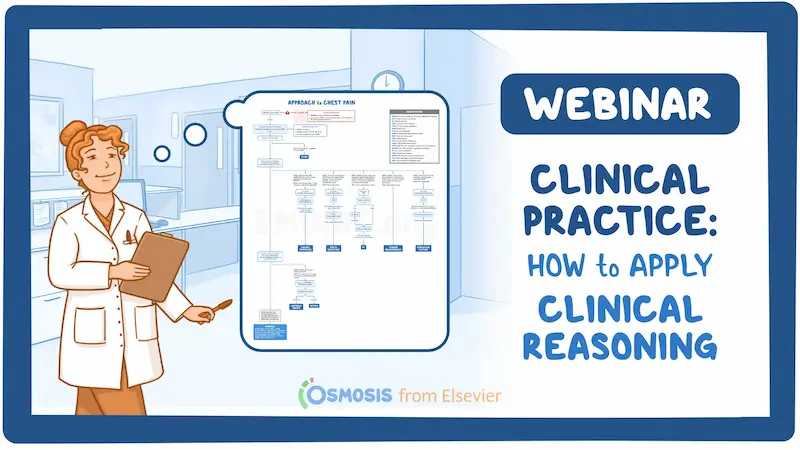
Understanding insights is only part of the process; applying them effectively is what drives improvement. Here’s how you can integrate insights into your daily practice:
1. Personalized Patient Care
Use insights to tailor treatments to the individual patient. Consider patient history, lifestyle, preferences, and comorbidities to ensure the treatment plan is both effective and feasible.
2. Optimizing Clinical Protocols
Update and refine clinical protocols based on observed outcomes and evidence from other practitioners. This ensures that procedures remain current, safe, and effective.
3. Collaborative Practice
Share insights with your team to promote a learning culture. Collective knowledge often leads to better patient care than individual effort alone.
4. Quality Improvement Initiatives
Insights can highlight gaps in care or common errors, forming the basis for quality improvement projects. These initiatives can enhance safety, efficiency, and patient satisfaction.
5. Decision-Making Support
Clinical practice insights act as a decision-making guide in complex situations, reducing uncertainty and increasing confidence in treatment strategies.
You may also like to read this:
Clinical Research Studies: Complete Beginner’s Guide
Latest Health Research Trends You Should Know About Today
Health Research For Beginners Explained In Simple Words
Clinical Insights For Doctors: Enhance Patient Care
Patient Care Clinical Insights: Improve Healthcare Outcomes
Challenges in Leveraging Clinical Practice Insights
While the benefits are clear, there are challenges to integrating clinical insights effectively:
- Data Overload: The sheer volume of patient data can make it difficult to identify meaningful insights.
- Rapidly Changing Knowledge: Medical knowledge and guidelines are constantly evolving, requiring continuous updates.
- Applicability Across Settings: Insights gained in one healthcare environment may not be fully applicable in another due to differences in resources, patient demographics, or infrastructure.
- Time Constraints: Busy clinical schedules can limit opportunities to analyze data and implement improvements.
Overcoming these challenges requires structured approaches, collaboration, and ongoing education.
Conclusion
Incorporating clinical practice insights into your healthcare practice is essential for delivering high-quality, patient-centered care. By actively observing, analyzing, and applying these insights, clinicians can improve outcomes, enhance efficiency, and continually grow professionally. The key is to combine evidence, experience, and patient-focused strategies in every aspect of clinical practice.
FAQs
Q1: How are clinical practice insights different from medical research?
A1: While medical research often involves controlled studies and experiments, clinical practice insights are drawn from real-world patient care and everyday clinical experiences.
Q2: Can clinical practice insights improve patient safety?
A2: Absolutely. By identifying effective interventions and anticipating risks, insights can significantly reduce medical errors and enhance patient safety.
Q3: What tools help in gathering clinical practice insights?
A3: Electronic health records (EHRs), clinical audits, peer discussions, patient surveys, and professional networks are excellent tools for collecting insights.
Q4: How often should healthcare professionals update their knowledge?
A4: Regularly. Continuous education, participation in workshops, and staying updated with journals are necessary to keep insights current and effective.