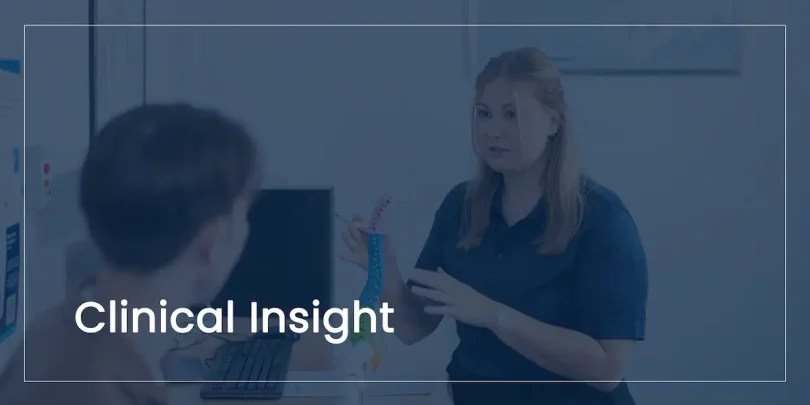

In the modern healthcare landscape, clinical insights for doctors have become indispensable. These insights are not just medical facts; they are actionable knowledge derived from patient data, research, and clinical experience that help doctors make informed, evidence-based decisions. Leveraging clinical insights can significantly enhance diagnostic accuracy, streamline treatment planning, and ultimately improve patient outcomes.
Whether you are a seasoned physician, a resident, or a medical student, understanding how to gather, interpret, and apply clinical insights is a critical skill in providing high-quality patient care.
What Are Clinical Insights for Doctors?

Clinical insights refer to the understanding and knowledge gained from patient interactions, data analysis, and medical research that guide decision-making in clinical practice. Unlike basic medical knowledge, clinical insights involve interpreting patterns, predicting outcomes, and personalizing care for individual patients. They represent the bridge between theoretical medical knowledge and practical, real-world application.
For example, noticing that a patient with mild early symptoms may respond better to a particular therapy based on past data is a clinical insight that can improve outcomes.
Why Clinical Insights Are Crucial
1. Improved Diagnostic Accuracy
Clinical insights allow doctors to identify subtle patterns in symptoms and medical history that may not be immediately obvious. Recognizing these patterns early can reduce misdiagnosis and allow for timely intervention.
2. Personalized Patient Care
Every patient is unique, and what works for one may not work for another. Clinical insights enable doctors to tailor treatment plans based on individual patient profiles, improving both effectiveness and patient satisfaction.
3. Evidence-Based Practice
Medical knowledge evolves rapidly. Clinical insights help integrate the latest research findings into daily practice, ensuring that care is current and scientifically validated.
4. Efficient Resource Management
Insights derived from data analysis and clinical experience can help doctors predict patient risks and needs, reduce unnecessary tests, and optimize hospital or clinic workflows.
5. Professional Growth
Regularly analyzing outcomes and reviewing medical literature strengthens a doctor’s clinical judgment and supports continuous learning.
Sources of Clinical Insights for Doctors
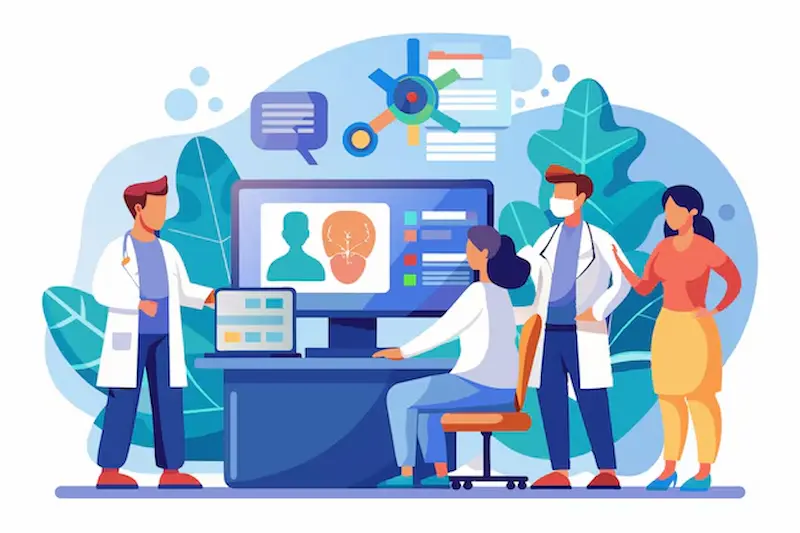
Gathering meaningful clinical insights requires a combination of technology, research, and human observation. Key sources include:
1. Electronic Health Records (EHRs)
EHRs provide comprehensive patient histories, lab results, imaging data, and previous treatment outcomes. Analyzing this information helps doctors spot patterns and make informed decisions.
2. Medical Research and Clinical Trials
Staying updated with peer-reviewed studies and trial outcomes allows doctors to implement proven treatment strategies and stay ahead of emerging trends.
3. Patient Interactions
Direct conversations with patients reveal concerns, lifestyle factors, and symptom details that may not be captured in records. These insights are crucial for personalized care.
4. Peer Collaboration
Consulting with colleagues, specialists, and multidisciplinary teams can provide additional perspectives, helping doctors refine diagnoses and treatment plans.
5. Artificial Intelligence (AI) and Predictive Analytics
AI tools analyze large datasets to identify patterns, predict disease progression, and suggest optimal treatments. While AI cannot replace human judgment, it enhances decision-making by providing data-driven insights.
6. Medical Conferences and Continuing Education
Attending conferences, webinars, and workshops exposes doctors to the latest advancements, innovative treatment protocols, and real-world case studies.
You may also like to read this:
Understanding Medical Research Findings For Better Health
Health Research Articles: Latest Medical Studies Explained
Clinical Research Studies: Complete Beginner’s Guide
Latest Health Research Trends You Should Know About Today
Health Research For Beginners Explained In Simple Words
How to Apply Clinical Insights in Practice
1. Review Patient History Thoroughly
Analyze past medical history, previous treatments, allergies, and lifestyle factors to identify patterns that influence current health conditions.
2. Incorporate Evidence-Based Guidelines
Use insights from clinical trials, systematic reviews, and guideline recommendations to support treatment decisions.
3. Leverage Technology
AI-powered decision support tools and predictive analytics can help anticipate complications, track patient outcomes, and suggest personalized treatment plans.
4. Engage in Collaborative Practice
Discuss complex cases with colleagues and specialists to gain multiple perspectives, improving diagnostic accuracy and treatment planning.
5. Monitor Outcomes
Track patient responses to treatment and adjust strategies accordingly. Regular reflection on outcomes allows continuous improvement in clinical decision-making.
6. Stay Updated
Medical knowledge changes rapidly. Make a habit of reading journals, attending seminars, and participating in online medical communities to stay current.
Real-Life Examples of Clinical Insights
- Early Detection of Chronic Diseases: Observing minor but recurring symptoms in patients can lead to early detection of diabetes, hypertension, or cardiovascular issues.
- Optimized Medication Dosage: Reviewing patient responses to medications over time can help adjust doses for maximum efficacy and minimal side effects.
- Predicting Complications: Using predictive analytics from patient data, doctors can anticipate complications like infection risk post-surgery, improving preventive care.
- Personalized Lifestyle Recommendations: Insights from patient lifestyle, diet, and genetics can guide personalized advice for weight management, fitness, and chronic disease prevention.
Benefits of Using Clinical Insights
- Enhanced patient outcomes through targeted care
- Increased diagnostic accuracy and reduced errors
- Efficient resource utilization in clinics and hospitals
- Continuous professional development and learning
- Stronger doctor-patient relationships through personalized care
Challenges in Applying Clinical Insights
While clinical insights are invaluable, there are challenges that doctors must navigate:
- Data Overload: Large volumes of patient data can be overwhelming without proper tools to filter and analyze it.
- Rapidly Evolving Research: Keeping up with the latest studies and guidelines requires dedication and time.
- Integration Limitations: Not all healthcare systems have sophisticated EHRs or AI tools to support analysis.
- Bias and Interpretation: Clinical insights are only as good as the data and the doctor’s judgment. Misinterpretation can lead to errors.
Despite these challenges, proper training, technology, and a structured approach can make insights a powerful tool in clinical practice.
Conclusion
Clinical insights for doctors are more than a luxury—they are a necessity in modern healthcare. By effectively gathering, interpreting, and applying these insights, doctors can improve diagnostic accuracy, provide personalized care, and make evidence-based decisions that enhance patient outcomes.
Combining technology, research, collaboration, and reflective practice allows doctors to fully harness the power of clinical insights and stay at the forefront of patient-centered care.
FAQs on Clinical Insights for Doctors
Q1: How can new doctors start applying clinical insights?
A1: Begin with thorough patient history analysis, consult senior colleagues, review research regularly, and use available EHR and analytics tools.
Q2: Are AI tools replacing doctors in clinical decision-making?
A2: No, AI assists in analyzing data and providing predictions, but human judgment is essential for interpreting insights and making decisions.
Q3: Can clinical insights benefit all specialties?
A3: Yes, whether you are a general practitioner, surgeon, or specialist, clinical insights improve patient outcomes in all fields.
Q4: How often should doctors update their knowledge for insights?
A4: Ideally, doctors should engage with new research, case studies, and guidelines weekly to stay current and informed.