

If you’ve ever wondered how new medicines, vaccines, or treatments become available to patients, the answer lies in clinical research studies. These studies are the cornerstone of modern medicine, helping scientists test the safety and effectiveness of medical interventions before they reach the public.
In this article, we’ll explore clinical research studies in detail, explain how they work, and guide you on what it means to participate in one.
What Are Clinical Research Studies?
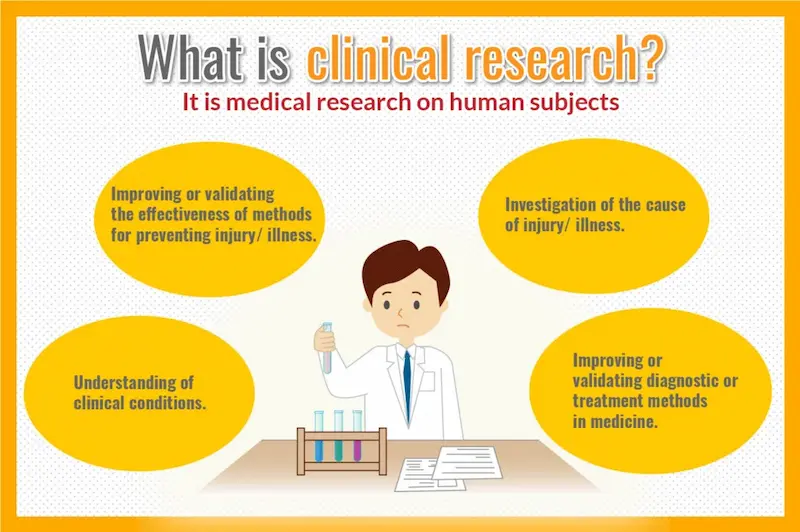
Clinical research studies are systematic investigations involving human participants aimed at answering specific health-related questions. Unlike laboratory experiments on animals or cells, these studies focus on real people to understand how a treatment, drug, or intervention affects the human body.
The ultimate goal of clinical research studies is to:
- Ensure treatments are safe and effective
- Discover new ways to prevent, diagnose, and treat diseases
- Improve overall healthcare outcomes
Clinical research studies are regulated strictly to protect participants and ensure reliable results.
Types of Clinical Research Studies

Clinical research studies can be categorized into several types based on their purpose:
1. Interventional Studies (Clinical Trials)
These studies actively test a new treatment or therapy. Participants are assigned to one or more treatment groups, sometimes randomly, to compare the new intervention with standard treatments.
Example: Testing a new cancer drug to see if it is more effective than current chemotherapy.
2. Observational Studies
Researchers observe participants without changing their care. These studies help identify patterns, risk factors, or outcomes associated with diseases.
Example: Following patients with diabetes over 10 years to study long-term complications.
3. Epidemiological Studies
These studies focus on populations rather than individuals. They analyze how diseases spread, what causes them, and the impact of lifestyle or environmental factors.
Example: Studying the spread of flu in a city over multiple seasons.
4. Behavioral and Social Research
Some studies examine how lifestyle, social, or behavioral factors affect health outcomes.
Example: Investigating how diet and exercise influence heart disease risk.
Phases of Clinical Trials
Clinical trials, a major type of clinical research studies, usually progress through four phases:
- Phase 1: Tests safety in a small group of volunteers. The focus is on dosage, side effects, and safety.
- Phase 2: Evaluates effectiveness and side effects in a larger group.
- Phase 3: Compares the new treatment with existing standard treatments in large populations. This phase confirms effectiveness and monitors adverse effects.
- Phase 4: Occurs after approval, monitoring long-term safety and effectiveness in the general population.
Each phase is critical to ensure that the treatment is both safe and beneficial.
You may also like to read this:
Daily Medical News Online – Latest Health Updates
Medical Industry News: Latest Healthcare Updates And Trends
Health Research Studies: Everything You Need To Know Clearly
Understanding Medical Research Findings For Better Health
Health Research Articles: Latest Medical Studies Explained
Why Clinical Research Studies Are Important
Clinical research studies play a vital role in advancing medicine:
- Develop New Treatments: They provide evidence needed to create new drugs, vaccines, and therapies.
- Improve Patient Care: Findings help doctors make informed decisions.
- Ensure Safety and Effectiveness: Studies identify potential side effects and optimal dosages.
- Inform Public Health Policies: Research data guides governments and health organizations in decision-making.
Without clinical research studies, modern medicine as we know it would not exist.
How Participants Are Involved
Participation in a clinical research study is voluntary, and informed consent is mandatory. This means:
- Participants are fully informed about the study’s purpose, procedures, and risks.
- Researchers follow strict ethical guidelines to protect participants’ rights.
- Participants can withdraw at any time without affecting their regular medical care.
Who can participate? It depends on the study. Some require healthy volunteers, while others focus on patients with specific conditions.
Challenges in Clinical Research Studies
While critical, clinical research studies face several challenges:
- Recruitment: Finding enough participants can be difficult.
- Diversity: Ensuring representation from different genders, ethnicities, and ages is essential.
- Regulations: Ethical and regulatory requirements can slow the process.
- Funding: Studies often need significant financial resources.
Despite these challenges, clinical research studies continue to drive medical innovation.
Tips for Patients Interested in Participating
If you’re considering joining a clinical research study:
- Ask questions: Understand the study’s purpose, procedures, and risks.
- Verify approval: Ensure the study is approved by an ethics committee or institutional review board.
- Share your medical history honestly: This ensures your safety and study accuracy.
- Keep records: Track all instructions, medications, and communications.
- Know your rights: You can leave the study at any time.
Participation is not only a way to access new treatments but also a chance to contribute to medical progress.
Recent Trends in Clinical Research Studies
- Virtual Trials: With technology, some studies now allow remote monitoring and telemedicine visits.
- Personalized Medicine: Studies are increasingly targeting treatments based on genetics and individual factors.
- Global Collaboration: Multinational studies are helping speed up drug development and improve data diversity.
These trends make clinical research studies more efficient, safer, and accessible to more participants worldwide.
Conclusion
Clinical research studies are essential for the advancement of healthcare, providing the knowledge and evidence needed to develop safe and effective treatments. Whether you are a patient, caregiver, or healthcare professional, understanding these studies helps you appreciate the science behind every medical breakthrough. Participating in a clinical study is both a personal opportunity and a contribution to the greater good of medicine.
FAQs About Clinical Research Studies
1. What is a clinical research study?
A clinical research study is a scientific investigation that involves human participants to test the safety, effectiveness, or impact of medical treatments, interventions, or health-related practices.
2. What is the difference between clinical trials and observational studies?
Clinical trials (interventional studies) actively test a treatment, while observational studies track participants without changing their care to observe patterns or outcomes.
3. Who can participate in clinical research studies?
Eligibility depends on the study. Some studies require healthy volunteers, while others focus on patients with specific conditions, age ranges, or medical histories.
4. Is participating in a clinical study safe?
Yes, studies follow strict ethical guidelines and regulatory approvals. Participants are informed about risks, and safety monitoring is continuous throughout the study.
5. What is informed consent?
Informed consent is the process where participants are fully educated about the study’s purpose, procedures, potential risks, and benefits before agreeing to join.