
Understanding healthcare can sometimes feel overwhelming. From medical jargon to treatment options, patients and caregivers often feel lost. That’s why clinical treatment insights are so valuable—they provide clear, evidence-based guidance to help navigate complex medical decisions.
In this article, we’ll explore clinical treatment insights in depth, explain why they matter, and show how they impact both patients and healthcare professionals.
What Are Clinical Treatment Insights?

Clinical treatment insights are knowledge, observations, and evidence derived from clinical practice, research studies, and real-world patient experiences. They inform healthcare professionals about what works, what doesn’t, and which approaches are safest for specific medical conditions.
Think of clinical treatment insights as a compass for healthcare: they guide decisions about medication, therapy, surgery, and overall patient care. These insights come from a variety of sources: clinical trials, patient records, case studies, and ongoing medical research.
Why Clinical Treatment Insights Are Important
Clinical treatment insights are not just for doctors—they benefit everyone involved in healthcare. Here’s why they matter:
- Better Patient Outcomes: By understanding which treatments are most effective, clinicians can provide care that speeds recovery and minimizes complications.
- Evidence-Based Decision-Making: Insights are backed by research, helping doctors make decisions based on proven methods rather than guesswork.
- Personalized Care: Each patient is unique, and insights allow treatments to be tailored according to age, medical history, lifestyle, and other factors.
- Adoption of Innovative Treatments: Insights highlight new therapies, drugs, and technologies that can improve patient care.
- Cost Efficiency: By knowing which treatments are most effective, healthcare systems can avoid unnecessary procedures and reduce costs.
Key Areas Where Clinical Treatment Insights Are Applied
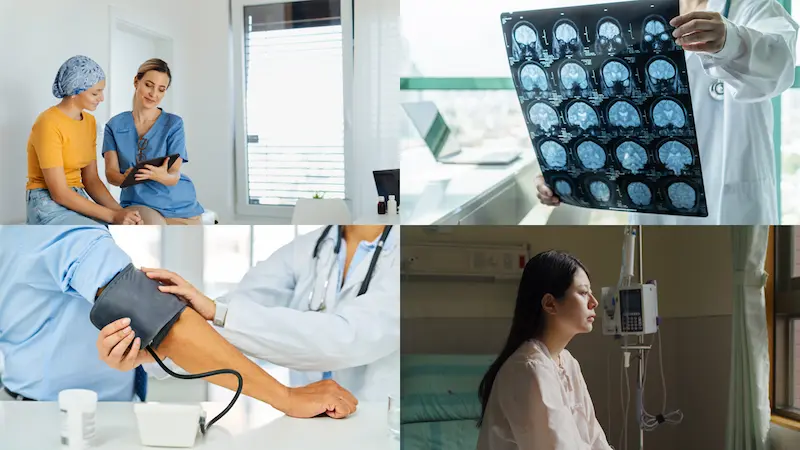
1. Medication Management
Medication is a cornerstone of modern healthcare, but not all drugs work the same way for every patient. Clinical treatment insights help determine:
- The most effective drugs for a specific condition
- Proper dosages and timing
- Potential side effects and interactions
For example, precision medicine uses genetic testing to predict how a patient will respond to a particular drug, reducing trial-and-error prescriptions and improving outcomes.
2. Surgical Interventions
Surgery can be life-saving but also carries risks. Insights from previous surgeries guide:
- The best surgical techniques for different conditions
- Ways to reduce recovery time and complications
- Decisions between minimally invasive versus traditional procedures
For instance, laparoscopic (minimally invasive) surgery has become more common due to clinical evidence showing faster healing and lower infection rates compared to open surgery.
3. Chronic Disease Management
Chronic diseases like diabetes, hypertension, heart disease, and arthritis require long-term management. Clinical treatment insights help design care plans that:
- Control symptoms effectively
- Prevent complications
- Improve quality of life
For example, insights from long-term studies of diabetic patients help physicians decide on medication combinations, lifestyle changes, and monitoring schedules that work best.
4. Mental Health Care
Mental health treatment relies heavily on evidence-based insights. Therapists and psychiatrists use clinical data to:
- Determine which therapy approaches work best for specific conditions (e.g., CBT for anxiety)
- Combine therapy and medications when necessary
- Monitor patient progress and adjust treatments accordingly
Insights here are vital because mental health responses are often highly individualized.
5. Preventive Care
Clinical treatment insights are not just about treating illness—they also play a key role in prevention. Doctors use these insights to recommend:
- Vaccinations
- Lifestyle modifications (diet, exercise, sleep)
- Screening programs for early detection of diseases
Preventive care guided by clinical insights can drastically reduce the risk of serious health issues later.
You may also like to read this:
Latest Health Research Trends You Should Know About Today
Health Research For Beginners Explained In Simple Words
Clinical Insights For Doctors: Enhance Patient Care
Patient Care Clinical Insights: Improve Healthcare Outcomes
Clinical Practice Insights: Improve Patient Care Today
Medical Case Study Insights For Better Patient Care
How Patients Can Benefit from Clinical Treatment Insights
Even if you’re not a healthcare professional, you can use clinical treatment insights to take charge of your health:
- Ask Better Questions: Knowing about your treatment options allows you to discuss alternatives and understand potential side effects.
- Participate in Decisions: Patients who understand evidence-based treatments can collaborate with doctors to choose the best plan.
- Stay Informed About Innovations: Awareness of new therapies and technologies can help you explore options you might not have known about.
- Improve Adherence: Understanding why a treatment is recommended can motivate patients to follow prescribed care plans consistently.
Challenges in Using Clinical Treatment Insights
While invaluable, applying clinical treatment insights isn’t always straightforward. Challenges include:
- Rapidly Changing Knowledge: Medical research evolves quickly, making it hard to stay up-to-date.
- Complex Data Interpretation: Clinical studies can be difficult to understand without medical training.
- Individual Variability: Not all treatments work for every patient; personalization is often required.
- Access to Information: Not all insights are readily available to patients, especially in resource-limited areas.
The Future of Clinical Treatment Insights
The field is evolving rapidly, with technology driving innovation:
- Artificial Intelligence (AI) & Big Data: AI analyzes massive datasets to identify patterns and predict outcomes more accurately.
- Telemedicine: Remote consultations are generating new data that inform better care strategies.
- Precision Medicine: Genetic profiling allows treatments to be tailored to individual patients, increasing efficacy.
- Wearable Technology: Devices tracking heart rate, blood sugar, and activity levels provide real-time insights to improve chronic disease management.
Conclusion
Clinical treatment insights are a cornerstone of modern healthcare. They empower healthcare providers to make evidence-based decisions while giving patients the knowledge to participate actively in their care.
By understanding these insights, we can improve treatment outcomes, personalize care, and adopt the latest innovations safely. Whether you’re navigating a health condition yourself or caring for a loved one, clinical treatment insights are an essential tool for making informed decisions.
FAQs About Clinical Treatment Insights
Q1: Can patients access clinical treatment insights?
A: Yes, through medical journals, hospital websites, online health portals, and by discussing treatment options with their healthcare providers.
Q2: Are insights the same as treatment guidelines?
A: Not exactly. Guidelines are formal recommendations, while insights include emerging research, expert experiences, and patient data.
Q3: Do insights guarantee successful outcomes?
A: No. They provide evidence-based guidance, but responses vary among patients.
Q4: How do healthcare professionals stay updated?
A: Doctors attend conferences, read medical journals, participate in training programs, and collaborate with colleagues.