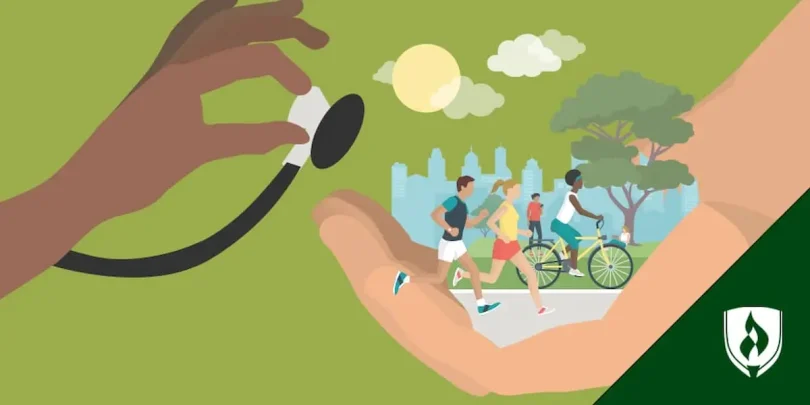

When we discuss community health programs, we are referring to organized efforts designed to improve the health and well-being of individuals within a community. Unlike traditional healthcare, which often focuses on treating illness after it occurs, community health programs emphasize prevention, education, and access to services.
These initiatives help people lead healthier lives, reduce disease burden, and create supportive environments where everyone can thrive.
Community health programs operate on the principle that good health is not just an individual responsibility—it’s a community effort. By combining resources, education, and local support, these programs aim to reduce health disparities and empower individuals to make informed decisions about their health.
Understanding Community Health Programs
Community health programs can be implemented by local governments, non-profit organizations, healthcare institutions, or grassroots movements. They typically target specific health issues, such as chronic disease prevention, maternal and child health, mental health support, and lifestyle improvement.
The unique aspect of these programs is their focus on the specific needs of the community. For example, a rural community may benefit from mobile health clinics, while urban areas may prioritize programs addressing air quality, mental health, or obesity.
Types of Community Health Programs
Community health programs are diverse, reflecting the varied needs of populations. Here’s a deeper look at the key types:
1. Preventive Health Programs
These programs aim to prevent illness before it starts. Activities include:
- Immunization campaigns to prevent infectious diseases.
- Screenings for conditions such as diabetes, high blood pressure, and cancer.
- Health education workshops teaching hygiene, sanitation, and safe practices.
Preventive programs reduce hospital visits and healthcare costs while improving long-term health outcomes.
2. Nutrition and Fitness Programs
Poor nutrition and sedentary lifestyles are major contributors to chronic illnesses. Community programs tackle these issues through:
- Community gardens providing access to fresh produce.
- Cooking classes promoting healthy meals on a budget.
- Fitness initiatives like free yoga, aerobics, or walking clubs.
By encouraging healthier choices, these programs reduce obesity, diabetes, and heart disease rates.
3. Maternal and Child Health Programs
These programs aim to protect the most vulnerable members of society—mothers and children. They include:
- Prenatal care and maternal health education.
- Immunization schedules and child nutrition programs.
- Support for breastfeeding and early childhood development.
Studies show that communities with strong maternal and child health programs experience lower infant mortality and healthier childhood growth.
4. Mental Health Programs
Mental health awareness is growing, and community programs are critical in providing support. These include:
- Counseling services for depression, anxiety, and stress.
- Peer support groups for addiction recovery or grief.
- Mental health first aid training to help community members recognize warning signs.
These initiatives reduce stigma, improve access to care, and promote emotional well-being.
5. Health Education and Awareness Campaigns
Educating the public is a key component of preventive care. Programs focus on:
- Smoking cessation, safe alcohol use, and substance abuse prevention.
- Sexual and reproductive health education.
- Awareness about chronic diseases and preventive measures.
Knowledge empowers individuals to make healthier lifestyle choices and encourages proactive health management.
6. Access to Medical Services
For underserved populations, access to healthcare is often limited. Community health programs help bridge this gap through:
- Mobile clinics that travel to remote areas.
- Free health camps providing basic medical checkups.
- Telemedicine platforms connecting patients to doctors digitally.
This ensures that even communities with limited resources can receive essential healthcare services.
You may also like to read this:
Clinical Treatment Insights: A Complete Healthcare Guide
Real World Clinical Insights: Transforming Patient Care
Public Health Awareness: Tips For A Healthier Community
Public Health Issues: Understanding Key Challenges
Essential Disease Prevention Tips Everyone Should Know
Benefits of Community Health Programs
The advantages of implementing and supporting community health programs are significant:
- Disease Prevention: Early detection and education reduce the prevalence of chronic and infectious diseases.
- Health Equity: Programs provide resources to vulnerable populations, ensuring everyone has a fair chance at good health.
- Cost-Effectiveness: Preventive care reduces the financial burden on healthcare systems and families.
- Community Engagement: Encourages active participation and fosters a sense of responsibility among residents.
- Improved Quality of Life: Healthier communities are more productive, connected, and resilient.
- Data-Driven Solutions: Programs collect local health data, allowing tailored interventions.
How Community Health Programs Are Implemented
Successful programs follow a structured approach to maximize impact:
Step 1: Needs Assessment
Understanding the health challenges of a community is critical. Surveys, focus groups, and health statistics help identify priority areas.
Step 2: Planning
Programs are designed with specific objectives, target populations, and measurable outcomes. Community input ensures cultural relevance and higher participation.
Step 3: Implementation
Activities may include health fairs, vaccination drives, workshops, and mobile clinics. Collaboration with local leaders, schools, and healthcare providers ensures smooth execution.
Step 4: Monitoring and Evaluation
Tracking results helps identify successes and areas for improvement. Metrics may include disease incidence rates, participation levels, and overall community satisfaction.
Real-Life Examples of Community Health Programs
- The CDC’s “Community Health Workers Program”: Trains local individuals to provide education and support in underserved areas.
- Mobile Health Clinics in Rural Areas: Offer screenings, vaccinations, and basic treatments where hospitals are far away.
- Healthy Schools Initiatives: Promote nutrition, physical activity, and mental health support among children.
- Smoking Cessation Campaigns: Use education, counseling, and community support to reduce tobacco use.
Challenges in Community Health Programs
While the benefits are clear, implementing these programs comes with challenges:
- Funding Limitations: Many programs rely on grants or donations.
- Cultural Barriers: Health education may conflict with local beliefs or practices.
- Limited Workforce: There may be a shortage of trained healthcare professionals.
- Sustainability: Programs must maintain long-term funding and community engagement to succeed.
Addressing these challenges requires collaboration between governments, NGOs, healthcare providers, and community members.
Conclusion
Community health programs play a crucial role in building healthier, stronger, and more resilient communities. By focusing on prevention, education, and access, these initiatives do far more than treat illness—they empower individuals, reduce health disparities, and improve overall quality of life.
Supporting or participating in these programs—whether through volunteering, advocacy, or simply spreading awareness—can make a real difference. Remember, every small step counts toward a healthier future for your community.
FAQs About Community Health Programs
Q1: Who benefits from community health programs?
Everyone in the community can benefit, with special focus on children, the elderly, and underserved populations.
Q2: How are these programs funded?
Funding comes from government agencies, non-profits, local organizations, private donors, and grants.
Q3: How can I participate?
You can volunteer, attend programs, or support initiatives financially or through awareness campaigns.
Q4: What makes a program successful?
Tailored planning, community engagement, trained staff, and continuous evaluation ensure success.
Q5: Can community health programs reduce healthcare costs?
Yes. Preventive care, early detection, and lifestyle interventions reduce hospital visits and long-term medical expenses.