
Staying healthy is more than just avoiding illness—it’s about taking proactive steps to protect your body and mind. Disease prevention tips are essential tools that can help you live a longer, healthier life. By focusing on prevention rather than treatment, you not only reduce your risk of serious illnesses but also improve your overall quality of life. Let’s explore practical strategies that anyone can adopt.
1. Maintain a Balanced and Nutritious Diet

A healthy diet forms the foundation of disease prevention. Eating nutrient-rich foods strengthens your immune system, reduces inflammation, and helps maintain a healthy weight. Here’s what you should focus on:
- Fruits and Vegetables: Aim for at least 5 servings per day. They provide essential vitamins, minerals, and antioxidants that fight disease.
- Whole Grains: Foods like oats, brown rice, and whole wheat bread support heart health and improve digestion.
- Lean Proteins: Fish, chicken, legumes, and nuts help repair tissues and maintain muscle mass.
- Healthy Fats: Include sources of omega-3 fatty acids like salmon, walnuts, and flaxseeds to support brain and heart health.
- Limit Processed Foods: Reduce consumption of sugary snacks, refined grains, and processed meats, as they increase the risk of chronic diseases.
- Hydration: Drink plenty of water daily to flush out toxins and support metabolic processes.
Tip: Try meal prepping or planning weekly menus to ensure you’re consistently eating balanced meals.
2. Engage in Regular Physical Activity
Exercise is a cornerstone of disease prevention. Being physically active helps prevent obesity, lowers blood pressure, reduces the risk of type 2 diabetes, and strengthens the immune system. Here’s how to stay active:
- Cardio: Brisk walking, running, cycling, or swimming improves heart and lung health.
- Strength Training: Lifting weights or using resistance bands maintains muscle mass and bone strength.
- Flexibility Exercises: Yoga or stretching prevents injuries and improves mobility.
- Consistency: Aim for at least 150 minutes of moderate-intensity exercise per week.
Even small changes, like taking the stairs, walking instead of driving short distances, or doing home workouts, can make a significant difference over time.
3. Prioritize Quality Sleep
Sleep is often overlooked but is critical for disease prevention. Poor sleep can weaken immunity, increase stress hormones, and contribute to chronic conditions such as diabetes and heart disease.
- Recommended Hours: Adults should aim for 7–9 hours of sleep each night.
- Sleep Hygiene Tips:
- Keep a consistent sleep schedule.
- Avoid caffeine or heavy meals close to bedtime.
- Create a relaxing bedtime routine—read a book or practice meditation.
- Keep your bedroom cool, dark, and quiet.
- Keep a consistent sleep schedule.
4. Practice Good Hygiene
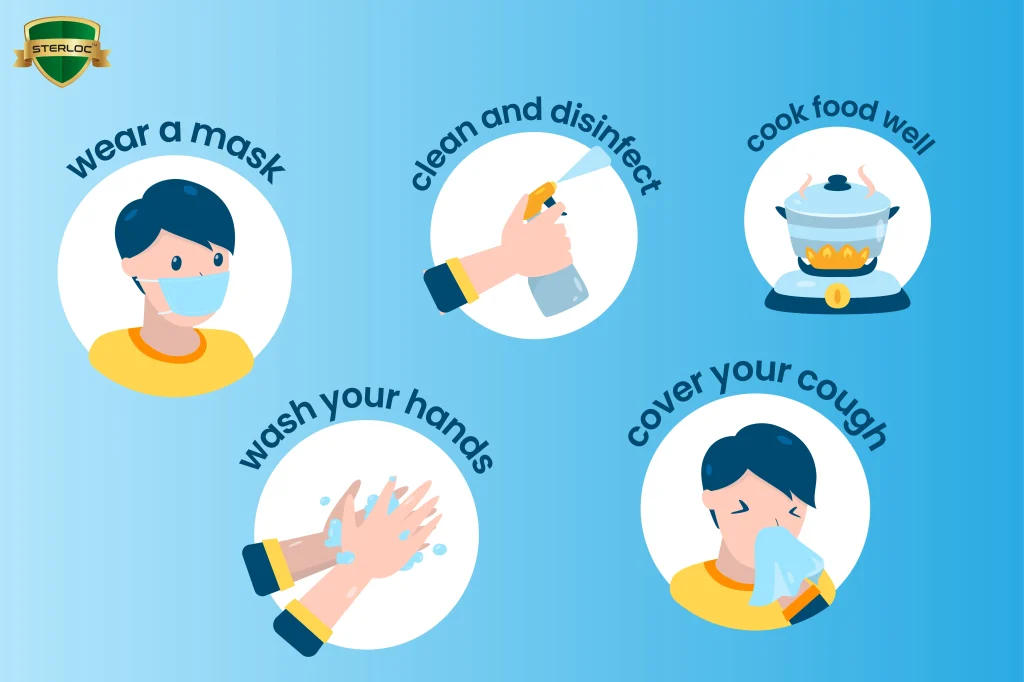
Preventing infections is one of the easiest and most effective ways to stay healthy. Simple habits can protect you and those around you:
- Hand Washing: Wash hands frequently with soap for at least 20 seconds.
- Respiratory Etiquette: Cover your mouth when sneezing or coughing.
- Avoid Touching Your Face: This reduces the risk of transferring germs from surfaces to your body.
- Clean Your Environment: Regularly sanitize high-touch surfaces at home or work.
5. Stay Up-to-Date with Vaccinations
Vaccines are powerful tools in disease prevention. They protect you from serious infections and prevent outbreaks in the community. Adults should keep track of vaccines such as:
- Influenza (flu) vaccine annually
- COVID-19 booster shots
- Tetanus booster every 10 years
- Hepatitis B, HPV, and pneumonia vaccines when recommended
Consult your healthcare provider to ensure your vaccinations are current.
6. Manage Stress Effectively
Chronic stress weakens your immune system, increases inflammation, and raises the risk of heart disease, diabetes, and mental health issues. Stress management is vital for disease prevention:
- Mindfulness and Meditation: Practicing mindfulness reduces anxiety and improves focus.
- Exercise: Physical activity releases endorphins, reducing stress naturally.
- Hobbies and Social Connections: Spending time with loved ones and engaging in activities you enjoy can improve mood and resilience.
- Professional Help: Therapy or counseling can be valuable for managing long-term stress.
You may also like to read this:
Medical Case Study Insights For Better Patient Care
Clinical Treatment Insights: A Complete Healthcare Guide
Real World Clinical Insights: Transforming Patient Care
Public Health Awareness: Tips For A Healthier Community
Public Health Issues: Understanding Key Challenges
7. Avoid Harmful Habits
Certain lifestyle choices significantly increase your risk of disease. Avoiding or moderating these habits is crucial:
- Smoking: Linked to cancer, heart disease, and respiratory conditions.
- Excessive Alcohol Consumption: Can lead to liver disease, cancer, and heart problems.
- Sedentary Behavior: Sitting for long periods increases the risk of obesity, diabetes, and cardiovascular disease.
Replacing harmful habits with healthier alternatives, like exercising or practicing mindfulness, can dramatically improve overall health.
8. Schedule Regular Health Checkups
Preventive healthcare allows early detection and management of potential problems. Regular screenings and medical checkups include:
- Blood Pressure and Cholesterol Tests: Detect risks for heart disease.
- Diabetes Screening: Catch early signs of blood sugar problems.
- Cancer Screenings: Colon, breast, cervical, and skin checks can save lives.
- Dental Checkups: Healthy teeth and gums contribute to overall health.
Even if you feel fine, early detection is key to effective treatment and long-term prevention.
9. Maintain a Healthy Mental and Emotional State
Mental health is just as important as physical health in disease prevention. Positive thinking, social support, and coping strategies can lower stress hormones and improve immunity.
- Practice gratitude and mindfulness daily.
- Maintain supportive relationships with friends and family.
- Seek help if experiencing anxiety, depression, or prolonged stress.
Conclusion
Implementing these disease prevention tips into your daily life can dramatically reduce your risk of chronic and infectious diseases. By maintaining a nutritious diet, exercising regularly, sleeping well, practicing hygiene, managing stress, avoiding harmful habits, staying up-to-date on vaccinations, and getting regular checkups, you’re taking a proactive approach to your health.
Remember, prevention is always better than cure—and small, consistent steps can lead to big long-term benefits.
FAQs
Q1: Can lifestyle changes really prevent diseases?
Yes! Diet, exercise, sleep, and avoiding harmful habits play a crucial role in lowering disease risk.
Q2: How often should adults get health screenings?
It depends on age, gender, and medical history. Generally, annual checkups are recommended.
Q3: Are mental health practices part of disease prevention?
Absolutely. Reducing stress, maintaining social connections, and practicing mindfulness help strengthen immunity and overall well-being.
Q4: Can I prevent all diseases?
While not every disease is preventable, following these tips significantly reduces the risk of many chronic and infectious illnesses.
Q5: How can I make disease prevention a habit?
Start small. Incorporate one tip at a time, track progress, and gradually build a routine that fits your lifestyle.