
If you’ve ever wanted to understand the latest discoveries in medicine or health science, health research articles are your best friend. These articles are the backbone of modern healthcare—they document scientific studies, clinical trials, and experiments that help us understand how to prevent, diagnose, and treat diseases. Whether you’re a student, healthcare professional, or simply someone interested in improving your health, learning to read and interpret health research articles can empower you to make informed decisions.
In this guide, we’ll walk you through everything you need to know about health research articles: what they are, why they matter, the different types, and how to read them effectively.
What Are Health Research Articles?
Health research articles are scientific papers that report the findings of studies in medicine, healthcare, and public health. These articles are written by researchers, doctors, and scientists to share new insights about human health. They typically appear in medical journals or online databases and are designed to be both informative and evidence-based.
The purpose of health research articles is to advance knowledge, inform healthcare practice, and influence public health policy. For instance, they might explore the effectiveness of a new medication, study the impact of lifestyle changes on chronic diseases, or analyze trends in population health.
Key Features of Health Research Articles
- Introduction: Explains the problem, previous research, and why the study is important.
- Methods: Details how the study was conducted, including sample size, procedures, and tools used.
- Results: Presents the findings, often using charts, tables, or graphs.
- Discussion/Conclusion: Interprets the results, explains their significance, and suggests future research.
- References: Lists other research that supports the study’s findings.
Why Reading Health Research Articles Matters
You might wonder if it’s necessary to read these articles when general health advice is so widely available. Here’s why they are important:
- Stay Updated with Latest Discoveries
Medicine and health science are constantly evolving. Research articles allow you to access cutting-edge findings—from new treatments and vaccines to nutrition studies. - Make Informed Decisions
Reliable information from research helps you make evidence-based decisions, rather than relying on hearsay, social media trends, or outdated advice. - Understand Risks and Benefits
Each medical intervention has advantages and limitations. Health research articles often analyze both sides, helping you weigh the potential risks against the benefits. - Empower Yourself
Reading and understanding research builds confidence when discussing health options with your doctor or family members. - Contribute to Health Awareness
Sharing accurate research-based knowledge promotes awareness and can help others make informed health decisions.
Types of Health Research Articles
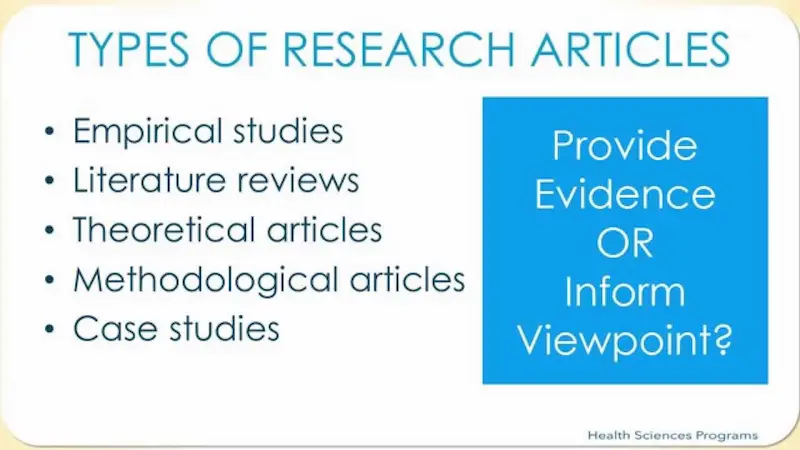
Health research comes in various forms, depending on the type of study conducted and the goal of the research. Here are the main types:
- Clinical Trials
These studies test new drugs, treatments, or medical devices on volunteers to assess safety and effectiveness. Clinical trials are often divided into phases to carefully monitor results. - Observational Studies
Researchers observe participants over time without interfering. These studies are useful for identifying patterns, trends, or risk factors associated with health outcomes. - Review Articles
Review articles summarize multiple studies on a particular topic to provide a comprehensive understanding of current knowledge. They are valuable for seeing the “big picture.” - Case Reports
These focus on a single patient or a small group, often to describe unusual medical conditions or outcomes. They provide detailed insights but may not be widely generalizable. - Meta-Analyses
Meta-analyses combine data from multiple studies to produce stronger statistical evidence. They are considered highly reliable because they summarize findings from a larger pool of research.
You may also like to read this:
Latest Medical Breakthroughs News You Need To Know In 2025
Daily Medical News Online – Latest Health Updates
Medical Industry News: Latest Healthcare Updates And Trends
Health Research Studies: Everything You Need To Know Clearly
Understanding Medical Research Findings For Better Health
How to Read Health Research Articles Effectively
Medical research articles can seem complex, but anyone can learn to read them with the right approach:
- Start with the Abstract
The abstract is a summary of the study, including its purpose, methods, and major findings. It gives you a quick overview. - Look at the Results
Focus on tables, figures, and key data points. This section tells you what the study actually found. - Read the Discussion/Conclusion
This part explains the meaning of the results, their relevance, and potential implications for real-world healthcare. - Check the Sample Size and Methodology
Larger, well-designed studies are generally more reliable. Pay attention to how the research was conducted to evaluate its validity. - Beware of Bias and Conflicts of Interest
Funding sources or personal interests may influence results. Make sure the research comes from reputable sources. - Use Reputable Sources
Stick to peer-reviewed journals and trusted medical websites like PubMed, The Lancet, or the World Health Organization (WHO).
Common Mistakes When Interpreting Health Research
Even careful readers can misinterpret research. Avoid these common pitfalls:
- Assuming Correlation Equals Causation: Just because two variables are related doesn’t mean one causes the other.
- Overgeneralizing Results: A study on one population may not apply to everyone.
- Relying on Headlines Alone: Media summaries often oversimplify or exaggerate findings.
- Ignoring Study Limitations: Every study has limits; understanding them is key to interpreting results correctly.
How to Find Health Research Articles
Here are some tips to access high-quality articles:
- Use scientific databases such as PubMed, Google Scholar, and Web of Science.
- Filter search results for recent publications, ideally within the last 5 years.
- Look for peer-reviewed studies for reliability.
- Avoid articles from unverified websites or blogs that lack scientific references.
Benefits of Regularly Reading Health Research Articles
- Improved Health Knowledge: Understand more about diseases, prevention, and treatments.
- Better Lifestyle Choices: Learn about nutrition, exercise, and mental health strategies backed by research.
- Informed Healthcare Decisions: Ask the right questions during doctor visits.
- Professional Growth: Essential for students, healthcare workers, or anyone in health-related fields.
Final Thoughts
Health research articles are a powerful tool for anyone who wants to stay informed about medical science and personal wellness. While they can seem intimidating at first, learning to read and interpret these studies empowers you to make informed decisions, stay updated on health trends, and understand the science behind medical advice. The key is to approach them with curiosity, critical thinking, and a focus on credible sources.
Remember, health research is constantly evolving, and staying engaged with these articles ensures you’re always on top of the latest discoveries that could impact your life and the health of those around you.
FAQs About Health Research Articles
Q1: Who can benefit from reading health research articles?
A: Anyone interested in understanding health, including students, healthcare professionals, or people looking to make informed lifestyle decisions.
Q2: How do I know if a health research article is trustworthy?
A: Check if it is peer-reviewed, published in reputable journals, and whether the study has a clear methodology and large sample size.
Q3: Can I apply the findings of every health research article to my own life?
A: Not always. Consider the study population, sample size, and context. Discuss major changes with a healthcare provider.
Q4: How often are new health research articles published?
A: Thousands of new studies are published monthly, covering areas like nutrition, chronic disease, mental health, and innovative treatments.