

If you’re new to the idea of health research for beginners, it’s completely normal to feel a little confused at first. Many people think health research is only for doctors or scientists in labs, but that’s not true. Health research is something that affects all of us, and with the right explanation, anyone can understand the basics.
In this detailed guide, I’ll explain everything step by step in a simple, friendly way—just like I’m talking directly to you.
What Exactly Is Health Research?

Health research is the systematic study of health-related topics to discover new knowledge or improve existing medical practices. In simple words, it’s about finding answers to important health questions using facts, data, and careful observation.
For health research for beginners, think of it as:
- Asking a health-related question
- Collecting information to answer it
- Using the results to improve health and healthcare
Health research helps us understand diseases, treatments, prevention methods, and how lifestyle choices affect our bodies.
Why Health Research Is So Important
Health research is the backbone of modern medicine. Without it, doctors wouldn’t know which treatments work best, and public health systems wouldn’t know how to protect communities.
Health research helps to:
- Develop new medicines and therapies
- Improve patient care and safety
- Prevent diseases before they start
- Understand mental and physical health conditions
- Create health guidelines we trust
When you hear advice like “exercise regularly” or “get vaccinated,” that advice is based on years of health research.
Who Conducts Health Research?
Many different people are involved in health research, not just scientists in white coats. These include:
- Doctors and nurses
- Medical researchers
- Public health experts
- Universities and research institutions
- Government health departments
Sometimes, even patients and community members participate by sharing their experiences or joining studies.
Main Types of Health Research (Explained Simply)
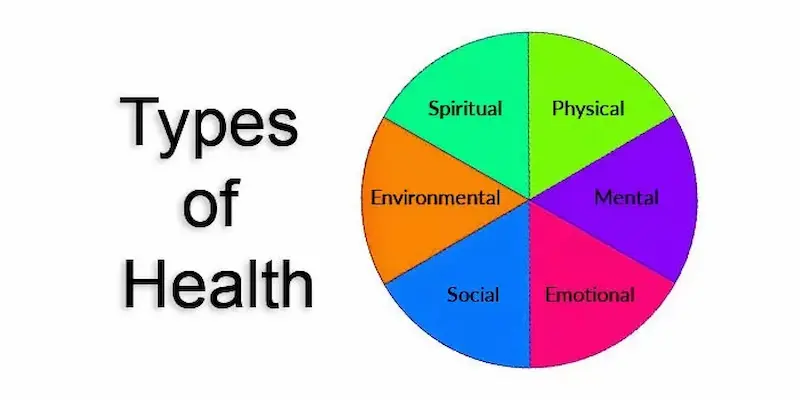
Understanding the types of research makes health research for beginners much easier.
1. Clinical Research
This type focuses on people. It includes clinical trials that test new medicines, vaccines, or treatments to see if they are safe and effective.
2. Public Health Research
This looks at health on a large scale, such as cities or countries. It studies disease prevention, sanitation, nutrition, and health education.
3. Epidemiological Research
This type studies how diseases spread, who is most affected, and why. It’s very important during outbreaks and pandemics.
4. Biomedical Research
This focuses on how the human body works at the cellular or molecular level, helping scientists understand diseases from the inside.
5. Health Services Research
This examines how healthcare systems work, including access to hospitals, quality of care, and healthcare costs.
Basic Terms Every Beginner Should Know
When learning health research for beginners, you’ll often see certain words. Here’s what they mean in easy language:
- Hypothesis: A possible answer to a research question
- Sample: A small group taken from a larger population
- Methodology: The plan for how research is done
- Results: What the study discovered
- Conclusion: What the results mean
You don’t need to memorize these terms immediately—just get familiar with them.
You may also like to read this:
Health Research Studies: Everything You Need To Know Clearly
Understanding Medical Research Findings For Better Health
Health Research Articles: Latest Medical Studies Explained
Clinical Research Studies: Complete Beginner’s Guide
Latest Health Research Trends You Should Know About Today
Step-by-Step: How Health Research Is Conducted
Health research usually follows a clear process:
- Identifying a problem
For example, an increase in diabetes cases. - Asking a research question
What causes this increase? Can lifestyle changes help? - Planning the study
Researchers decide who to study and how to collect information. - Collecting data
This may include surveys, blood tests, interviews, or medical records. - Analyzing the data
Researchers look for patterns and meaningful results. - Sharing findings
Results are published so doctors, policymakers, and the public can learn.
How to Read Health Research as a Beginner
You don’t have to understand every scientific detail to benefit from health research.
Helpful tips:
- Start with the summary or conclusion
- Focus on the main message, not complex statistics
- Check who conducted the research
- Look for multiple studies, not just one
With practice, reading research becomes much easier.
Common Myths About Health Research
Beginners often believe things that aren’t true, such as:
- “One study proves everything”
- “All research results are final”
- “If it’s online, it must be true”
Good health research is ongoing, carefully reviewed, and sometimes updated as new evidence appears.
How Health Research Affects Your Everyday Life
Health research influences:
- Medicines you take
- Food and nutrition advice
- Exercise and fitness guidelines
- Mental health support
- Disease prevention programs
Even small lifestyle tips are usually backed by solid research.
How You Can Get Started With Health Research
If you’re serious about learning health research for beginners, start small:
- Read beginner-friendly health articles
- Follow trusted health organizations
- Watch educational videos or online lectures
- Stay curious and ask questions
You don’t need a medical degree—just an open mind and interest.
Final Thoughts
Health research doesn’t have to feel complicated or overwhelming. Once you understand the basics, it becomes a powerful tool that helps you make better health decisions. This detailed guide to health research for beginners is designed to help you feel informed, confident, and curious. Keep learning at your own pace, and remember—every expert was once a beginner too.
FAQs: Health Research for Beginners
1. What is health research for beginners?
Health research for beginners refers to learning the basic concepts of how health-related studies are done, why they are important, and how their findings help improve healthcare, treatments, and disease prevention.
2. Do I need a medical background to understand health research?
No, you do not need a medical or science background. Health research for beginners can be understood by anyone who is willing to learn step by step using simple explanations and trusted sources.
3. Why is health research important for everyday people?
Health research affects daily life by guiding medical treatments, health advice, vaccines, nutrition guidelines, and disease prevention strategies. It helps people make informed decisions about their health.
4. What are the main types of health research?
The main types include clinical research, public health research, epidemiological research, biomedical research, and health services research. Each type focuses on different aspects of health and healthcare.
5. How can beginners start learning about health research?
Beginners can start by reading easy-to-understand health articles, following reliable health organizations, watching educational videos, and learning common research terms gradually.