
In today’s healthcare landscape, patient care clinical insights are more important than ever. But what exactly does this term mean? Simply put, patient care clinical insights are the knowledge, observations, and evidence that healthcare providers gather from clinical practice to improve patient outcomes. They help doctors, nurses, and care teams make better decisions, tailor treatments to individual needs, and ultimately provide higher-quality care.
Think of these insights as the roadmap that guides healthcare providers in delivering care that is both efficient and effective.
Understanding Patient Care Clinical Insights

Patient care clinical insights go beyond basic patient information. They are derived from analyzing data, patterns, and trends observed in patient care, which allows healthcare professionals to make informed decisions. These insights come from multiple sources, including:
- Patient medical histories and records – Understanding past illnesses, surgeries, and treatments helps predict potential complications.
- Laboratory and diagnostic results – Blood tests, imaging, and other diagnostics provide crucial information about a patient’s current condition.
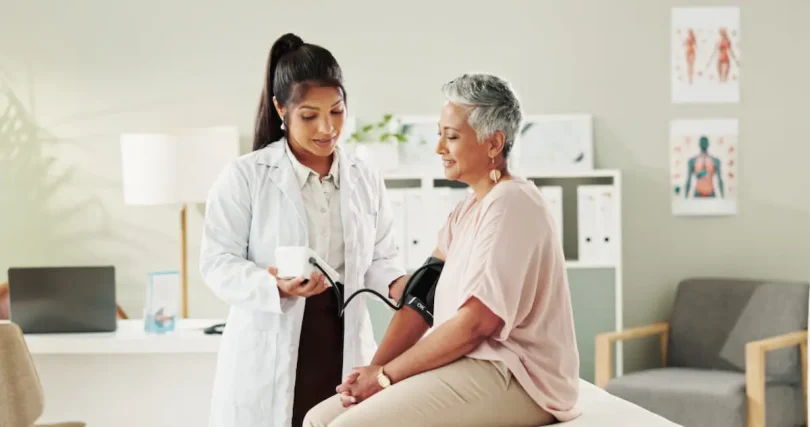
- Real-time monitoring – Tracking vital signs such as heart rate, blood pressure, or oxygen levels helps identify urgent medical needs.
- Patient feedback and experiences – Listening to patients and their families provides context to improve care quality and satisfaction.
- Clinical research and case studies – Evidence-based practices ensure that care decisions are grounded in scientific findings.
By integrating these sources, healthcare providers can detect early warning signs, anticipate complications, and create personalized treatment plans.
Importance of Clinical Insights in Patient Care

Clinical insights are not just about having more data—they are about making data meaningful. Here’s why they are crucial in modern healthcare:
- Enhanced Decision-Making
Insights help clinicians choose the most effective treatment strategies based on real patient data rather than assumptions. - Personalized Patient Care
No two patients are exactly alike. By analyzing clinical data, care teams can develop individualized plans that suit each patient’s unique needs. - Early Detection of Health Issues
Patterns and trends in patient data can reveal potential complications before they become critical, improving survival rates and reducing hospitalizations. - Improved Collaboration
Sharing clinical insights among doctors, nurses, and specialists ensures coordinated care and reduces errors caused by miscommunication. - Better Patient Engagement
When patients are informed about their health data and treatment options, they are more likely to participate actively in their care, leading to improved outcomes.
How Healthcare Professionals Gather Clinical Insights
Modern healthcare relies on a combination of technology, research, and clinical expertise to gather meaningful insights. Some key methods include:
- Electronic Health Records (EHRs): EHRs centralize patient information, making it easier to monitor trends, past treatments, and outcomes.
- Clinical Decision Support Systems (CDSS): These AI-powered tools analyze patient data to suggest treatment options, flag potential issues, and guide clinical decisions.
- Wearable Devices and Remote Monitoring: Devices like smartwatches and glucose monitors provide real-time data that can be analyzed for early warning signs.
- Patient-Reported Outcomes: Collecting feedback directly from patients allows healthcare providers to understand their experiences, preferences, and concerns.
- Clinical Research and Evidence-Based Studies: Research findings inform guidelines, protocols, and best practices in patient care.
You may also like to read this:
Health Research Articles: Latest Medical Studies Explained
Clinical Research Studies: Complete Beginner’s Guide
Latest Health Research Trends You Should Know About Today
Health Research For Beginners Explained In Simple Words
Clinical Insights For Doctors: Enhance Patient Care
Real-Life Applications of Patient Care Clinical Insights
Clinical insights play a critical role in numerous areas of healthcare:
- Chronic Disease Management: Monitoring patterns in conditions like diabetes, hypertension, or heart disease helps prevent complications and hospital readmissions.
- Surgical Care: Tracking patient recovery trends post-surgery can help adjust pain management, nutrition, and rehabilitation strategies.
- Emergency Medicine: Rapid analysis of vital signs and lab results helps emergency teams make critical decisions in minutes, saving lives.
- Mental Health Care: Behavioral and psychological data can guide therapy, detect early signs of relapse, and improve patient support systems.
- Preventive Care: Insights into lifestyle, genetics, and medical history enable proactive interventions, reducing the risk of future illnesses.
Benefits of Implementing Patient Care Clinical Insights
Implementing a system for capturing and analyzing clinical insights offers numerous advantages:
- Higher Quality of Care: Decisions are data-driven and evidence-based.
- Reduced Medical Errors: Collaboration and trend analysis minimize the risk of mistakes.
- Cost Efficiency: Early interventions and preventive measures can reduce healthcare costs.
- Enhanced Patient Satisfaction: Patients feel heard, understood, and cared for.
- Better Health Outcomes: Targeted interventions and personalized care lead to faster recovery and improved quality of life.
Future Trends in Patient Care Clinical Insights
The future of healthcare is closely tied to innovations in clinical insights. Some trends to watch include:
- Artificial Intelligence (AI) Integration: AI algorithms can analyze massive datasets to detect patterns that human clinicians may miss.
- Predictive Analytics: Using historical and real-time data to forecast health risks and guide interventions.
- Telemedicine and Remote Monitoring: Expanding access to healthcare while continuously gathering patient data.
- Precision Medicine: Tailoring treatments to genetic, environmental, and lifestyle factors.
- Interdisciplinary Collaboration: Combining insights from various specialties to provide holistic care.
Practical Tips for Healthcare Providers
Healthcare providers can maximize the impact of clinical insights with these strategies:
- Keep patient records accurate and up-to-date.
- Use technology to collect, analyze, and visualize patient data efficiently.
- Encourage patients to actively share feedback and participate in their care.
- Collaborate across disciplines to gain multiple perspectives.
- Continuously educate yourself on emerging research and technologies.
Conclusion
Patient care clinical insights are the cornerstone of modern, evidence-based healthcare. They allow providers to deliver personalized, proactive, and effective care while improving patient safety, satisfaction, and outcomes. As technology and research continue to advance, the ability to gather and act upon these insights will only become more critical, transforming the healthcare experience for both patients and clinicians.
By embracing these insights, healthcare professionals can navigate complex medical challenges with confidence, precision, and empathy.
FAQs on Patient Care Clinical Insights
1. What are patient care clinical insights?
They are actionable knowledge from patient data, medical history, lab results, and research that helps clinicians make informed decisions and improve outcomes.
2. Why are clinical insights important?
They guide personalized care, improve decision-making, detect complications early, and enhance collaboration among care teams.
3. How are clinical insights gathered?
Through EHRs, clinical decision systems, patient feedback, wearable devices, and research studies.
4. Can patients contribute to clinical insights?
Yes, by sharing feedback, tracking symptoms, and participating in surveys or studies.
5. What role does technology play?
AI, predictive analytics, and real-time monitoring help analyze data, predict risks, and support faster, accurate decisions.