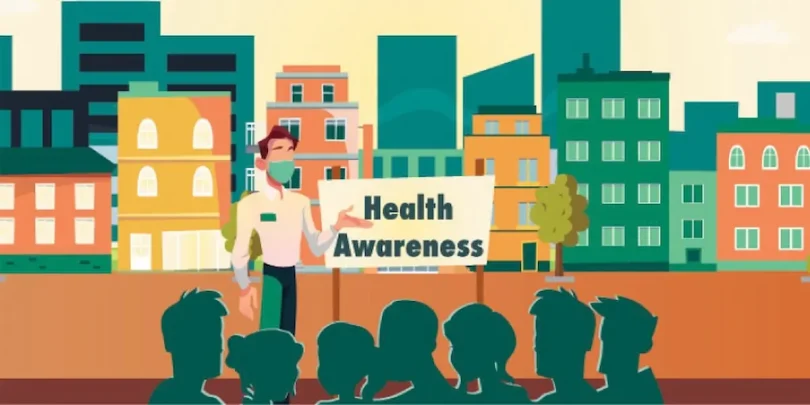

When we talk about public health awareness, we are referring to educating people about health issues that affect entire communities and encouraging behaviors that prevent disease and promote well-being. It is a vital part of building healthier societies. Public health awareness is not just for healthcare professionals—it’s for everyone.
The more people understand about disease prevention, nutrition, mental health, and healthy lifestyles, the stronger, safer, and more resilient our communities become.
What is Public Health Awareness?
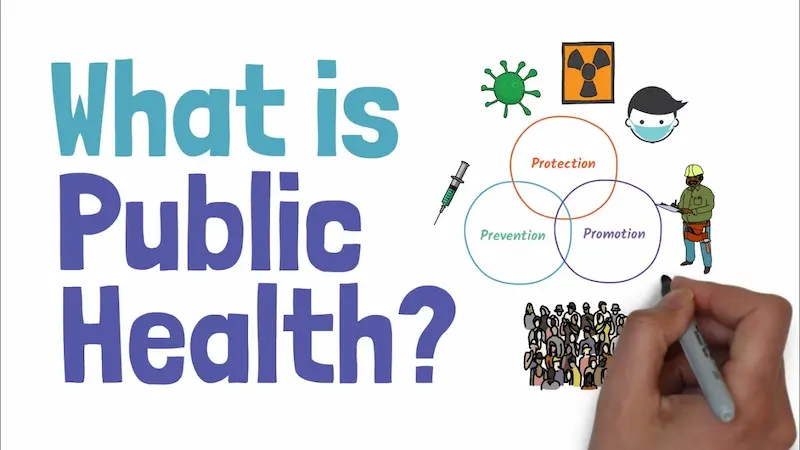
Public health awareness involves spreading knowledge about health risks, preventive measures, and wellness practices. It encompasses a wide range of topics such as vaccination, hygiene, nutrition, maternal and child health, mental health, chronic disease prevention, and emergency preparedness. Essentially, it’s about empowering individuals to make informed choices and encouraging collective action to improve health outcomes in society.
Public health awareness works on multiple levels:
- Individual level: Helping people adopt healthy habits and make better personal health decisions.
- Community level: Promoting healthy environments, policies, and access to healthcare.
- Global level: Addressing issues like pandemics, pollution, and climate-related health risks that affect populations worldwide.
Why Public Health Awareness is Critical
- Prevents Disease and Reduces Mortality
Awareness campaigns inform people about how diseases spread and how they can protect themselves through vaccination, hygiene, and lifestyle choices. For example, campaigns on handwashing, safe drinking water, and mosquito control have been proven to reduce infections like cholera and malaria. - Promotes Healthy Lifestyle Choices
Public health awareness encourages people to exercise regularly, eat balanced diets, avoid smoking or excessive alcohol, and manage stress. This helps prevent chronic illnesses like diabetes, heart disease, and obesity. - Reduces Healthcare Costs
Educated communities require fewer hospital visits and medical treatments. Preventing disease is far less expensive than treating it, which benefits families, healthcare systems, and governments. - Supports Mental Health
Awareness about mental health reduces stigma, encourages early intervention, and helps people seek counseling or therapy when needed. Mental well-being is as essential as physical health for a thriving society. - Builds Resilient Communities
When people are informed, they can advocate for cleaner environments, safer workplaces, better sanitation, and accessible healthcare. Knowledge empowers communities to take action collectively. - Prepares for Emergencies
Public health awareness equips people with information on how to respond during natural disasters, disease outbreaks, or public health emergencies, saving lives and reducing panic.
Key Areas of Public Health Awareness
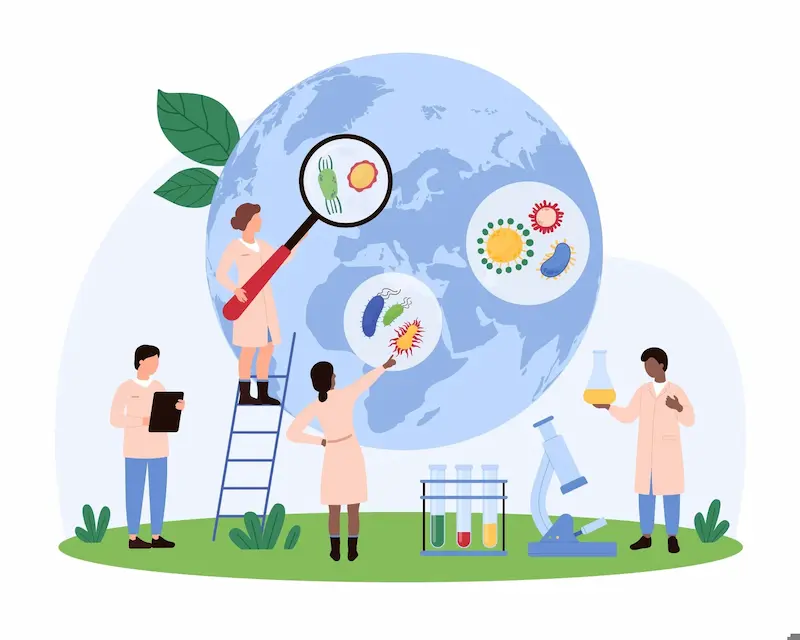
- Preventive Health: Education on vaccinations, screenings, hygiene, and early disease detection.
- Nutrition and Fitness: Promoting balanced diets, physical activity, and healthy weight management.
- Environmental Health: Raising awareness about clean water, air quality, pollution control, and waste management.
- Mental Health: Providing information on stress management, depression, anxiety, and counseling resources.
- Maternal and Child Health: Educating about prenatal care, breastfeeding, child vaccinations, and early childhood nutrition.
- Substance Abuse Prevention: Awareness campaigns about the dangers of drugs, alcohol, and tobacco use.
- Infectious Disease Prevention: Guidance on preventing outbreaks like flu, COVID-19, HIV/AIDS, and malaria.
You may also like to read this:
Patient Care Clinical Insights: Improve Healthcare Outcomes
Clinical Practice Insights: Improve Patient Care Today
Medical Case Study Insights For Better Patient Care
Clinical Treatment Insights: A Complete Healthcare Guide
Real World Clinical Insights: Transforming Patient Care
Effective Methods to Promote Public Health Awareness
- Educational Campaigns and Workshops
Schools, colleges, workplaces, and community centers can organize interactive workshops, seminars, and health fairs to educate people on important health topics. - Digital and Social Media Platforms
Social media campaigns, websites, and mobile apps are powerful tools for spreading awareness widely and quickly. Infographics, videos, and live Q&A sessions can engage audiences effectively. - Community Outreach Programs
Door-to-door campaigns, mobile health clinics, and neighborhood meetings ensure that health information reaches people in remote or underserved areas. - Collaboration with Healthcare Professionals
Doctors, nurses, and public health officials can host free consultations, webinars, or informational sessions to share accurate and actionable advice. - Mass Media Campaigns
Television, radio, and newspapers remain essential for reaching large audiences, especially in areas where internet access is limited. - Government Policies and Initiatives
Government programs that encourage vaccinations, promote clean drinking water, and regulate food safety play a significant role in public health awareness.
Challenges in Public Health Awareness
Despite its importance, promoting public health awareness faces several challenges:
- Misinformation and Myths: False health information, often spread through social media, can mislead communities.
- Cultural and Social Barriers: Some communities may have beliefs or traditions that conflict with modern health recommendations.
- Accessibility Issues: Remote, rural, or underprivileged areas may lack access to educational resources, healthcare services, and digital platforms.
- Resource Limitations: Financial and logistical constraints may hinder awareness campaigns, especially in developing countries.
Overcoming these challenges requires collaboration between governments, NGOs, healthcare providers, and community leaders, combined with culturally sensitive and accessible strategies.
How You Can Contribute to Public Health Awareness
Everyone has a role to play in promoting public health awareness:
- Share Accurate Information: Spread verified health information with family, friends, and community members.
- Adopt Healthy Habits: Lead by example through regular exercise, balanced nutrition, and preventive care.
- Participate in Local Campaigns: Volunteer for vaccination drives, health fairs, and community education programs.
- Support Policy Changes: Advocate for better sanitation, clean water, and access to healthcare in your community.
- Educate the Next Generation: Teach children about hygiene, nutrition, and safety to build lifelong healthy habits.
Even small actions collectively make a big difference in community health outcomes.
Conclusion
Public health awareness is not just a concept—it’s a vital practice that strengthens communities, prevents disease, and saves lives. By understanding health risks, adopting preventive measures, and sharing knowledge, we create healthier, safer, and more resilient societies.
Remember, your health choices don’t just affect you—they impact everyone around you. Stay informed, stay proactive, and contribute to a healthier world.
FAQs About Public Health Awareness
Q1: What is public health awareness?
Public health awareness is educating people about health risks, preventive measures, and wellness practices to improve individual and community health.
Q2: Why is public health awareness important?
It prevents disease, promotes healthy lifestyle choices, reduces healthcare costs, and builds resilient communities.
Q3: Who is responsible for public health awareness?
Everyone—governments, healthcare professionals, NGOs, and individuals play a role in spreading awareness.
Q4: How can social media help with public health awareness?
Social media allows for rapid dissemination of accurate health information, reaching large audiences and engaging communities interactively.
Q5: Can public health awareness improve mental health?
Yes, by reducing stigma, encouraging early intervention, and providing resources for counseling and stress management, mental well-being is promoted.