
When we talk about public health education, we are referring to the organized efforts to teach individuals and communities about health, wellness, and disease prevention. It’s not just about providing information—it’s about fostering understanding, encouraging positive behaviors, and equipping people with the tools to make informed health decisions.
Essentially, public health education acts as a bridge between medical knowledge and everyday life, helping people live healthier, safer, and more productive lives.
What Is Public Health Education?

Public health education is a specialized field within public health that focuses on promoting health and preventing disease through learning and awareness. It involves designing and implementing programs that inform people about health risks, healthy lifestyles, and resources available to them. Unlike traditional healthcare, which addresses illness after it occurs, public health education is proactive—it aims to prevent illness before it starts.
For example, educating communities about vaccination, sanitation, proper nutrition, or the dangers of smoking can prevent numerous health issues. It’s about empowering people to take control of their own health and the health of their families.
The Core Goals of Public Health Education
The main goals of public health education include:
- Promoting Healthy Lifestyles: Encouraging behaviors that improve health, such as exercising, eating nutritious foods, and maintaining mental wellness.
- Preventing Disease: Educating people about risk factors and preventive measures for illnesses like diabetes, heart disease, and infectious diseases.
- Improving Health Literacy: Ensuring individuals understand health information and can make informed decisions.
- Reducing Health Inequities: Addressing disparities in access to healthcare information, especially in vulnerable or marginalized populations.
- Supporting Policy and Advocacy: Influencing policies that promote public health, such as clean water initiatives, vaccination programs, and anti-smoking laws.
Key Components of Public Health Education
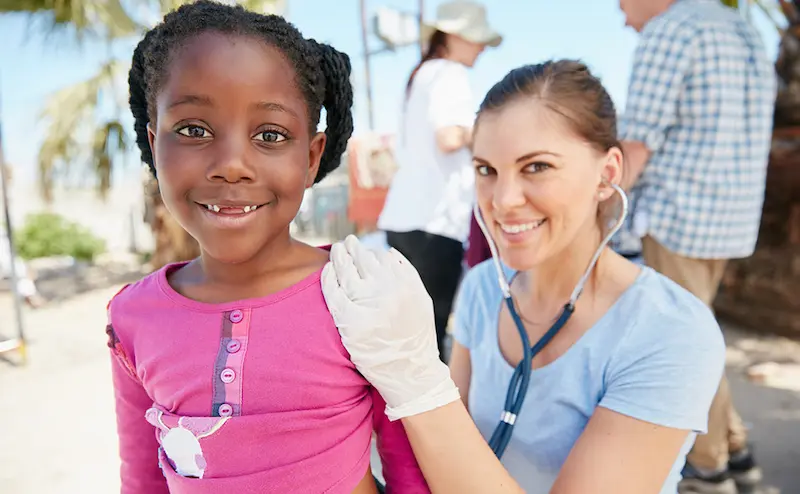
Effective public health education programs include several critical components:
1. Health Awareness Campaigns
Health campaigns are designed to reach large audiences and increase awareness about specific health issues. They often use multiple platforms, including social media, television, radio, and print materials. Topics can range from the dangers of tobacco use to the importance of mental health check-ups.
2. Community Engagement
Public health educators collaborate with local leaders, schools, religious institutions, and community organizations. This ensures that health messages are culturally sensitive, relevant, and tailored to the specific needs of a community.
3. Behavioral Change Strategies
Education alone isn’t enough. Programs often include strategies to encourage positive behavior changes, such as smoking cessation programs, exercise challenges, or nutrition workshops. Behavior change models, like the Health Belief Model or Social Cognitive Theory, are often used to design these interventions.
4. Policy Advocacy
Public health education doesn’t just happen at the individual level—it also involves advocating for policies that improve community health. For instance, promoting clean water access, vaccination mandates, or regulations limiting harmful substances in food.
Benefits of Public Health Education
Investing in public health education has widespread benefits:
- Disease Prevention: Informed communities are less likely to experience outbreaks of preventable diseases.
- Empowered Individuals: Knowledge enables people to take proactive steps to improve their health.
- Reduced Healthcare Costs: Preventing illness reduces the burden on hospitals and healthcare systems.
- Healthier Communities: Widespread health awareness creates stronger, more resilient communities.
- Improved Quality of Life: Healthy habits foster longer, more productive, and happier lives.
You may also like to read this:
Real World Clinical Insights: Transforming Patient Care
Public Health Awareness: Tips For A Healthier Community
Public Health Issues: Understanding Key Challenges
Essential Disease Prevention Tips Everyone Should Know
Effective Community Health Programs For Better Wellbeing
Examples of Public Health Education in Action
- Vaccination Programs: Educating communities about immunization helps prevent diseases like polio, measles, and influenza.
- Nutrition Education: Teaching families about balanced diets reduces malnutrition and obesity rates.
- Mental Health Awareness: Programs addressing stress, depression, and anxiety reduce stigma and encourage early intervention.
- Sanitation Campaigns: Teaching proper hygiene practices, like handwashing and safe water use, prevents the spread of infectious diseases.
- Tobacco and Substance Abuse Education: Campaigns raise awareness about the dangers of smoking and drug use.
Challenges in Public Health Education
Despite its importance, public health education faces several challenges:
- Misinformation: The spread of false health information can undermine efforts to educate the public.
- Cultural and Social Barriers: Certain communities may resist health messages that conflict with cultural beliefs or traditions.
- Resource Limitations: Many public health programs face funding shortages, lack of trained professionals, and limited access to materials.
- Accessibility Issues: Rural areas and underserved populations may not have easy access to educational programs or healthcare information.
- Behavioral Resistance: Changing established habits and behaviors can be difficult, requiring ongoing engagement and support.
Strategies to Improve Public Health Education
To overcome these challenges, public health educators can adopt several strategies:
- Use of Technology: Mobile apps, online courses, and social media campaigns make health education accessible to a wider audience.
- School-Based Programs: Integrating health education into school curricula ensures children develop healthy habits early.
- Community-Based Initiatives: Involving local leaders and influencers helps tailor messages to the community’s needs.
- Continuous Evaluation: Monitoring and evaluating programs ensures that messages are effective and reach the target audience.
- Collaborations: Partnering with NGOs, healthcare providers, and government agencies enhances program reach and impact.
The Future of Public Health Education
The future of public health education lies in innovation, inclusivity, and accessibility. Digital platforms, telehealth, and mobile health applications are making health information available at the fingertips of millions. Additionally, a growing emphasis on mental health, preventive care, and lifestyle education will ensure that public health education continues to evolve to meet modern challenges.
Conclusion
Public health education is more than just sharing information—it’s about empowering communities to make informed choices, adopt healthier lifestyles, and prevent disease. Through awareness campaigns, community engagement, behavioral change strategies, and policy advocacy, public health education plays a crucial role in creating stronger, healthier societies.
When individuals are educated about their health, they not only improve their own lives but also contribute to the well-being of their families and communities. Knowledge truly is health, and education is the key to a brighter, healthier future.
FAQs
1. What is public health education?
Answer: Public health education is the process of informing and teaching individuals and communities about health, wellness, and disease prevention. It helps people make informed choices, adopt healthy behaviors, and prevent illness before it occurs.
2. Why is public health education important?
Answer: It is important because it empowers people with knowledge, prevents diseases, reduces healthcare costs, promotes healthier lifestyles, and improves the overall quality of life for individuals and communities.
3. What are some examples of public health education programs?
Answer: Examples include vaccination campaigns, nutrition workshops, mental health awareness programs, hygiene and sanitation campaigns, and anti-smoking or substance abuse initiatives.
4. How does public health education prevent disease?
Answer: By educating people about risk factors, healthy behaviors, and preventive measures, public health education reduces the chances of disease outbreaks and encourages proactive health management.
5. Who benefits from public health education?
Answer: Everyone benefits—from children learning healthy habits early, to adults making informed lifestyle choices, and communities gaining access to programs that improve public health.