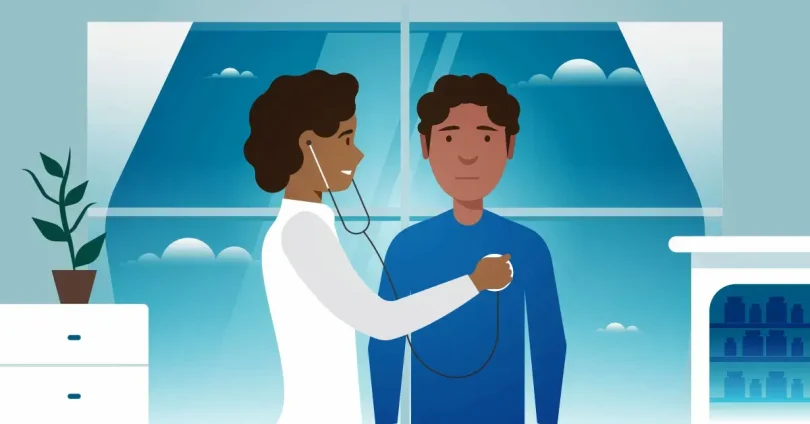

When we talk about public health issues, we are referring to problems that affect the health of entire populations or communities. Unlike individual health concerns, these issues require collective action, policies, and preventive measures to ensure everyone’s well-being. Public health is not just about treating illness—it’s about creating environments where people can live healthier, longer, and more productive lives.
Understanding public health issues is important because they affect us all, directly or indirectly. From infectious diseases like COVID-19 to chronic conditions like diabetes, the health of a community shapes its economy, social stability, and overall quality of life.
Major Public Health Issues

Public health issues are diverse and can be broadly categorized into several key areas. Let’s take a closer look:
1. Infectious Diseases
Infectious diseases are caused by pathogens such as bacteria, viruses, fungi, or parasites. These diseases can spread rapidly within communities, making them one of the most pressing public health issues.
Some common examples include:
- Influenza: Seasonal flu affects millions annually and can be deadly for vulnerable populations.
- COVID-19: The recent pandemic highlighted how quickly infectious diseases can disrupt global health systems.
- Tuberculosis (TB) and HIV/AIDS: These diseases continue to impact millions, particularly in low-income regions.
How it affects communities: Infectious diseases can overwhelm healthcare systems, increase mortality rates, and impact economies. Preventive measures such as vaccination, sanitation, hygiene, and public awareness campaigns are essential to control outbreaks.
2. Chronic Diseases
Chronic or non-communicable diseases are long-lasting conditions that progress slowly over time. They are now the leading causes of death worldwide.
Examples include:
- Diabetes: High blood sugar can lead to organ damage and other complications.
- Heart Disease: One of the most common causes of death globally.
- Cancer: Certain types are preventable with early screening and lifestyle changes.
- Obesity: Often a result of poor diet and lack of physical activity.
Why it’s a public health issue: Chronic diseases require long-term management and increase healthcare costs. Promoting healthy lifestyles, regular screenings, and preventive care can reduce their impact.
3. Mental Health
Mental health is increasingly recognized as a critical component of public health. Conditions such as anxiety, depression, stress, and substance abuse affect millions worldwide.
Why it matters: Poor mental health not only impacts individuals’ well-being but also affects families, workplaces, and society at large. Addressing mental health requires awareness campaigns, easy access to care, and reducing social stigma.
What communities can do: Support mental health programs, provide counseling resources, and encourage open conversations about mental wellness.
4. Environmental Health Issues
Environmental factors significantly impact public health. Pollution, unsafe water, climate change, and exposure to chemicals or toxins can lead to serious health problems.
Examples include:
- Air pollution causing respiratory diseases
- Contaminated water leading to gastrointestinal illnesses
- Climate change increasing the risk of heatwaves, floods, and vector-borne diseases
How it affects public health: Communities exposed to environmental hazards often face higher rates of chronic and acute illnesses. Addressing these issues requires sustainable policies, regulations, and community action.
5. Access to Healthcare

Even in modern societies, access to affordable and quality healthcare remains a challenge. Communities with limited access face higher rates of preventable diseases, late diagnoses, and increased mortality.
Public health perspective: Ensuring healthcare availability, affordability, and equity is vital. Public health programs focus on:
- Expanding primary care services
- Strengthening healthcare infrastructure
- Providing insurance or subsidized care for vulnerable populations
6. Vaccination and Preventable Diseases
Vaccines have been one of the most effective public health interventions. They prevent the spread of diseases such as measles, polio, hepatitis, and influenza.
Importance: Low vaccination rates can lead to outbreaks, endangering both individuals and communities. Public health campaigns focus on education, outreach, and making vaccines accessible.
How Public Health Issues Impact Society
Public health issues do not only affect individuals—they affect society as a whole. Consider the following:
- Economic impact: Disease outbreaks and chronic illnesses can reduce workforce productivity and increase healthcare spending.
- Healthcare strain: Hospitals and clinics can become overwhelmed during epidemics.
- Social impact: Mental health issues, substance abuse, and environmental hazards can affect community cohesion and safety.
Addressing these issues requires collaboration between governments, healthcare providers, and citizens. Public health is most effective when everyone participates, from practicing good hygiene to advocating for healthier policies.
You may also like to read this:
Clinical Practice Insights: Improve Patient Care Today
Medical Case Study Insights For Better Patient Care
Clinical Treatment Insights: A Complete Healthcare Guide
Real World Clinical Insights: Transforming Patient Care
Public Health Awareness: Tips For A Healthier Community
Steps Individuals Can Take to Help
Even though public health issues may seem large and overwhelming, individuals can contribute to solutions:
- Stay informed: Follow reliable sources for updates on health risks and prevention.
- Adopt healthy lifestyles: Exercise, eat balanced diets, and avoid smoking or excessive alcohol.
- Get vaccinated: Protect yourself and others from preventable diseases.
- Support mental health initiatives: Encourage awareness and seek help when needed.
- Protect the environment: Reduce pollution, conserve resources, and support sustainable policies.
- Advocate for healthcare access: Support policies that make healthcare equitable and affordable.
Conclusion
Public health issues affect all of us, whether directly through illness or indirectly through social and economic impacts. By understanding these challenges, supporting preventive measures, and promoting healthy environments, we can build stronger, healthier communities. Awareness, prevention, and collective action are essential to tackling public health issues effectively.
FAQs About Public Health Issues
Q1: What are public health issues?
Public health issues are problems that affect the health and well-being of communities or populations, requiring collective interventions to address them.
Q2: Why are infectious diseases considered a public health issue?
They can spread quickly and affect large numbers of people, sometimes leading to epidemics or pandemics.
Q3: How can individuals contribute to public health?
By adopting healthy habits, staying informed, supporting vaccinations, promoting mental health, and advocating for clean environments.
Q4: Are chronic diseases preventable?
Many chronic diseases, such as heart disease and diabetes, can be prevented or managed through lifestyle changes, early detection, and medical care.
Q5: How does environmental health affect public health?
Pollution, contaminated water, and climate change increase the risk of diseases, making safe environments crucial for healthy communities.