
When we talk about real world clinical insights, we are exploring a vital part of modern healthcare that focuses on understanding how treatments, medications, and interventions actually work in everyday life. Unlike traditional clinical trials, which are conducted under tightly controlled conditions with strict inclusion criteria, real world clinical insights examine patient experiences in the complexity of real-life settings.
This approach helps bridge the gap between research findings and practical healthcare, providing actionable data for clinicians, researchers, and healthcare organizations.
What Are Real World Clinical Insights?
Real world clinical insights are the observations, patterns, and conclusions drawn from actual patient care rather than experimental or idealized clinical settings. These insights consider factors such as patient demographics, lifestyle, coexisting conditions, and varying levels of healthcare access. By analyzing these real-life scenarios, healthcare providers can better understand treatment effectiveness, safety, and patient outcomes in a more realistic context.
Think of it this way: a medication might perform excellently in a controlled clinical trial, but what about a patient juggling diabetes, hypertension, and a busy lifestyle? Real world clinical insights help answer that question.
Importance of Real World Clinical Insights
The impact of real world clinical insights on modern healthcare is profound. Here’s why they matter:
- Enhancing Patient Care: By evaluating how patients respond to therapies outside clinical trials, doctors can tailor treatments more accurately to individual needs.
- Improving Treatment Guidelines: These insights inform evidence-based updates to clinical guidelines and standard operating procedures, ensuring that recommendations reflect real-world effectiveness.
- Reducing Healthcare Costs: Understanding which treatments work best in everyday settings helps healthcare systems optimize resources and avoid ineffective interventions.
- Accelerating Drug Development: Pharmaceutical companies can use real world data to monitor long-term safety and identify new potential applications for existing medications.
- Bridging Research and Practice: Real world insights ensure that breakthroughs in medical research translate into tangible benefits for patients.
Sources of Real World Clinical Insights
Collecting accurate real world data is critical for deriving meaningful insights. Common sources include:
- Electronic Health Records (EHRs): EHRs provide comprehensive patient histories, including diagnoses, lab results, and medications, which help track treatment outcomes over time.
- Patient Registries: These are organized systems that collect data on patients with specific conditions, offering longitudinal insights into disease progression and treatment effectiveness.
- Claims and Billing Data: Insurance records provide large-scale information about healthcare utilization, treatment adherence, and outcomes.
- Patient-Reported Outcomes (PROs): Direct feedback from patients about their symptoms, quality of life, and satisfaction helps understand real-world effectiveness and tolerability.
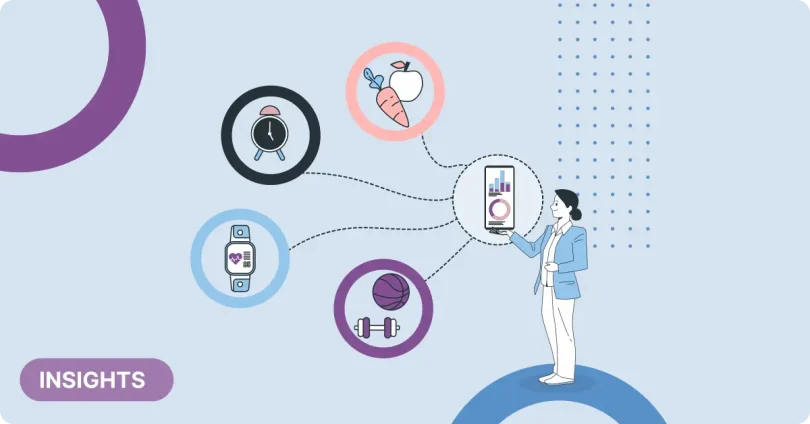
- Wearable Devices and Digital Health Tools: Smart devices track patient activity, vital signs, and adherence, providing a continuous stream of real-time data.
Challenges in Utilizing Real World Clinical Insights
Despite their value, real world clinical insights come with several challenges:
- Data Quality and Consistency: Real world data can be incomplete, inconsistent, or unstandardized, making analysis complex.
- Privacy and Security Concerns: Protecting patient confidentiality is paramount, and regulations like HIPAA govern how data can be collected and used.
- Bias and Confounding Factors: Because real world settings are less controlled than clinical trials, variables such as lifestyle, socioeconomic status, or co-morbidities can influence outcomes.
- Integration and Interpretation: Combining diverse data sources and drawing actionable conclusions requires sophisticated analytical tools and expertise.
You may also like to read this:
Clinical Insights For Doctors: Enhance Patient Care
Patient Care Clinical Insights: Improve Healthcare Outcomes
Clinical Practice Insights: Improve Patient Care Today
Medical Case Study Insights For Better Patient Care
Clinical Treatment Insights: A Complete Healthcare Guide
Applications of Real World Clinical Insights
Real world clinical insights are increasingly being applied across healthcare sectors:
- Personalized Medicine: Tailoring treatments to patient-specific characteristics based on real world evidence.
- Chronic Disease Management: Monitoring long-term outcomes of conditions like diabetes, cardiovascular disease, and cancer in everyday life.
- Pharmacovigilance: Detecting adverse drug reactions and side effects that may not appear during clinical trials.
- Healthcare Policy and Decision-Making: Informing policymakers about effective interventions, cost-effectiveness, and resource allocation.
- Clinical Trial Design: Using real world data to identify suitable patient populations and optimize trial protocols.
The Role of Technology in Enhancing Real World Clinical Insights
Advancements in technology are revolutionizing the collection and application of real world clinical insights:
- Artificial Intelligence (AI) and Machine Learning (ML): These tools can process massive datasets to identify patterns, predict outcomes, and provide decision support.
- Cloud-Based Platforms: Enable secure, scalable storage and sharing of real world data across institutions.
- Mobile Health Applications: Facilitate real-time patient monitoring and engagement.
- Big Data Analytics: Integrates multiple data streams, from EHRs to wearables, to derive actionable insights.
The Future of Real World Clinical Insights
The future is bright for real world clinical insights. With continuous improvements in data collection, analytics, and technology, healthcare is moving toward a more patient-centered and evidence-driven model. Physicians will increasingly rely on real world evidence to make informed decisions, personalize treatments, and anticipate potential challenges before they arise. Ultimately, these insights promise a healthcare system that is smarter, more effective, and more responsive to patient needs.
Conclusion
In conclusion, real world clinical insights are transforming the way we understand healthcare. By moving beyond controlled trials and observing treatments in everyday settings, clinicians and researchers gain valuable knowledge that directly benefits patient care. These insights not only enhance treatment effectiveness but also optimize healthcare systems, reduce costs, and improve patient satisfaction.
Embracing real world clinical insights is key to bridging the gap between research and practice and shaping the future of medicine.
FAQs on Real World Clinical Insights
1. What are real world clinical insights?
Answer: Real world clinical insights are observations and data collected from actual patient care in everyday healthcare settings. Unlike controlled clinical trials, they reflect how treatments, medications, and interventions perform in real-life situations.
2. Why are real world clinical insights important?
Answer: They help clinicians make better decisions, improve patient care, refine treatment guidelines, reduce healthcare costs, and ensure that medical research translates effectively into everyday practice.
3. How are real world clinical insights different from traditional clinical trial results?
Answer: Clinical trials are conducted under controlled conditions with strict inclusion criteria. Real world insights, on the other hand, analyze outcomes in diverse patient populations with varying lifestyles, comorbidities, and treatment adherence levels.
4. What sources provide real world clinical insights?
Answer: Key sources include:
Electronic Health Records (EHRs)
Patient registries
Insurance and claims data
Patient-reported outcomes (PROs)
Wearable devices and digital health tools
5. How do real world clinical insights improve patient care?
Answer: They help doctors understand how treatments work outside trials, allowing for personalized treatment plans, better management of chronic conditions, and improved long-term patient outcomes.